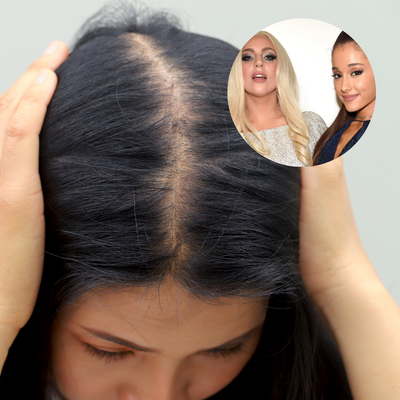
Do you have red, dry patches on your elbows, knees, or scalp?
You may be suffering from psoriasis.
Discover the symptoms, causes, and treatments for this condition, which differs from scalp eczema.
What is psoriasis?
Like eczema, it is a chronic inflammatory disease of genetic origin that manifests as flare-ups and periods of remission, as well as red, itchy patches.
So, how is psoriasis different?
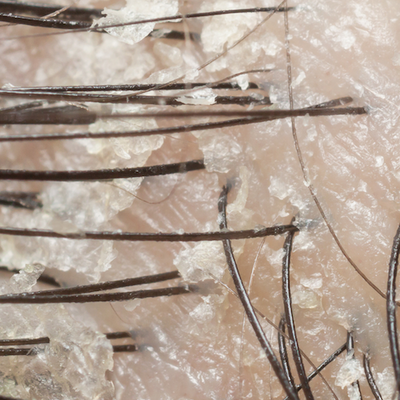
Unlike eczema, psoriasis is associated with excessive skin cell turnover.
More specifically, certain cells, keratinocytes, which make up 90% of the superficial layer of the skin, renew themselves in just 7 days instead of 21.
This phenomenon leads to an accumulation of skin in certain areas, including the scalp.
Unsightliness and sometimes a source of discomfort and itching, psoriasis can be difficult for sufferers to cope with.
What causes psoriasis?
The causes of psoriasis onset are diverse.
Among these factors, for over 30% of the population, the genetic factor is decisive.
However, symptoms can also appear after severe fatigue, an emotional shock, a weakened immune system, or in cases of regular stress.
Lifestyle can also promote flare-ups and lengthen remission periods. It is particularly recommended to limit tobacco, alcohol, and gluten consumption.
Who is affected?
This skin condition affects 2 to 4% of the population, with nearly 2 million people affected in France.
Psoriasis affects women as much as men and is more common in people with white skin.
With over 60,000 new cases in France each year, psoriasis is an increasingly prevalent pathology.
How to treat scalp psoriasis?
Psoriasis cannot be cured definitively.
Fortunately, various solutions exist to treat the symptoms and reduce the discomfort associated with this disease.
It is recommended to consult a doctor who can inform you about your condition and existing medical treatments.
Nevertheless, there are natural alternatives, such as:
- Stinging Nettle: recommended for treating skin problems


- Tea tree essential oil: this antibacterial, antifungal, and antiseptic essential oil naturally treats irritated scalp problems
This synergy of natural active ingredients is an excellent choice for addressing various scalp issues, including eczema, dandruff, and psoriasis.
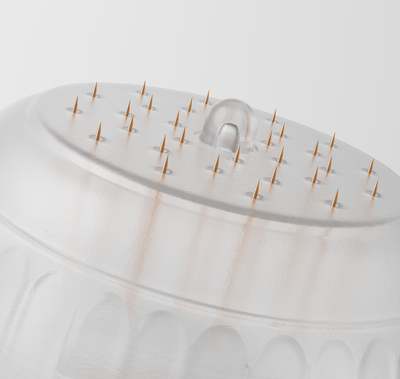
Discover our Pure Treatment, which includes these 3 ingredients, along with an amber glass container and applicator brush, to create fresh and therapeutic masks at home.

In addition to this treatment, it is important to care for your hair daily with products that respect your hair and scalp.
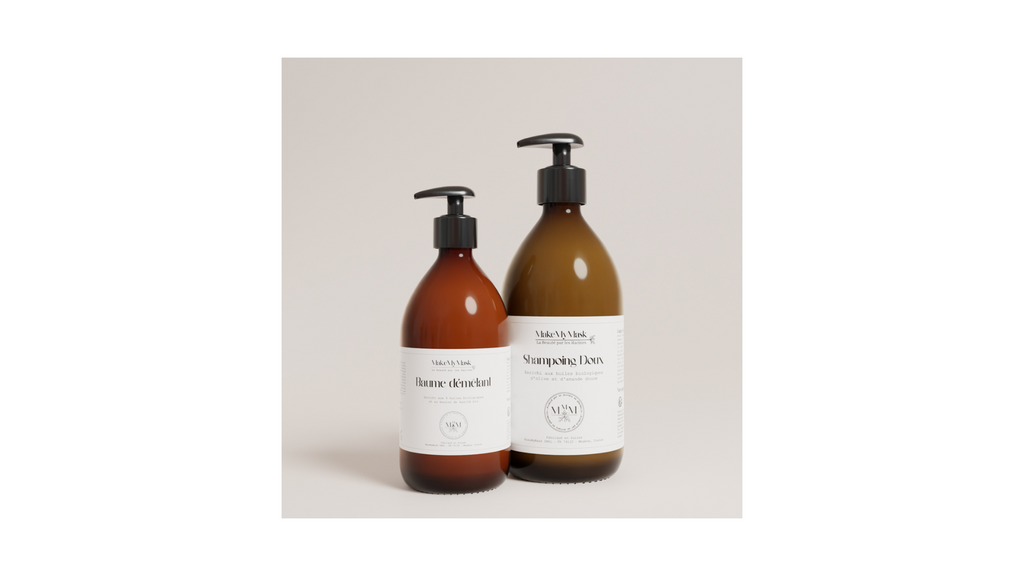
Our Essential Kit, composed of the Gentle Shampoo and the Detangling Conditioner, respects the nature of your hair and helps you maintain beautiful hair and a healthy scalp thanks to their minimalist formulas.