Understand how cellular processes play a crucial role in hair health.
Cell Renewal: What is it?

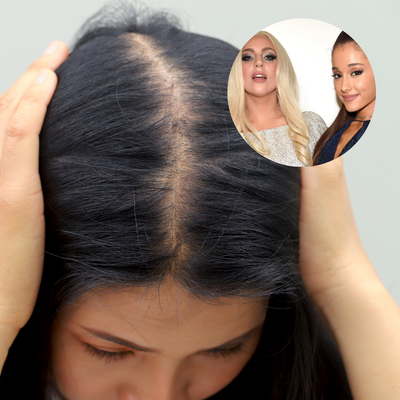
To understand how cell renewal can combat hair loss, it's essential to delve into hair biology. Hair follicles constantly undergo a renewal process, where old cells are replaced by new ones. When this process is disrupted, whether due to genetic, hormonal, or environmental factors, hair health can suffer, leading to premature hair loss and reduced density.
Cell renewal is a fundamental biological process for maintaining the health and function of the body's various tissues and organs. This process involves several stages:
- Cell division,
- Differentiation,
- Migration
- And apoptosis.
Cells divide to form new cells (Cell division), which can then specialize (Differentiation) and migrate to other areas of the body (Migration). Old or damaged cells undergo a process of programmed cell death to maintain balance (Apoptosis).
Hair Growth and Cell Renewal

The structure of the hair follicle
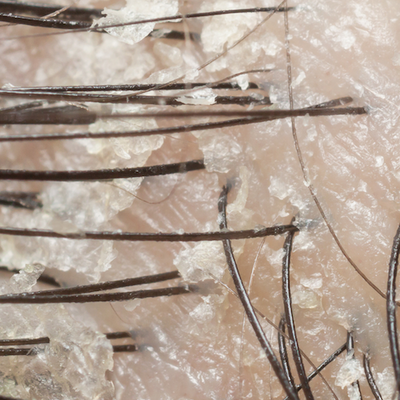
Hair grows from hair follicles, which are small pockets in the scalp skin. Each hair follicle contains a hair root surrounded by tissues, some of which are highly proliferative and responsible for producing new hair cells.
Growth phase (anagen)
Hair growth occurs in several phases, with the anagen phase being the most critical for growth. During this phase, stem cells in the hair follicle actively divide, leading to the production of new cells that form the hair and make it grow. Cell renewal in the hair follicle is therefore directly responsible for hair growth.
Influence on hair health
Good cellular regeneration in hair follicles is essential for maintaining healthy hair growth.
How does the Dermaroller stimulate cell renewal?

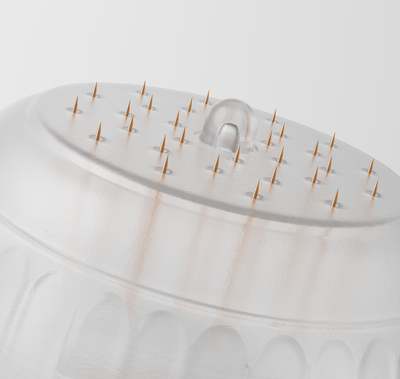
The dermaroller is a trichological tool that acts as a catalyst for scalp cell renewal by triggering a series of biological responses that promote cell renewal in the scalp.
Here's how it works to stimulate this process:
- Skin Microperforations: The dermaroller is equipped with fine micro-needles that create tiny perforations in the scalp skin when rolled over the surface. These microperforations are designed to be small enough not to cause significant damage, but large enough to stimulate the skin's natural repair mechanisms.
- Activation of Cell Repair Process: Microperforations also induce the skin's repair process, during which damaged skin cells are replaced by new, healthy cells. This cell regeneration process helps improve the texture and quality of the scalp skin, thereby promoting healthy hair growth.
Subsequently, the micro-channels created by the Dermaroller in the scalp offer an effective way to improve the absorption of active nutrients present in anti-hair loss hair care products. This better, deeper absorption promotes hair growth by allowing nutrients to reach the hair follicles directly, where hair growth occurs.

The use of the dermaroller should therefore be combined with the application of an Anti-Hair Loss Pre-shampoo Hair Mask for the scalp. Indeed, the action of the Dermaroller can reinforce the benefits of the main active ingredients used in anti-hair loss care:
- Brahmi Powder : Brahmi is an Ayurvedic medicinal plant renowned for its beneficial properties for hair. It nourishes hair follicles and promotes hair growth.
- Mustard Oil : Mustard oil is known to be rich in essential fatty acids, minerals, and vitamins A, D, E, and K, which nourish the scalp, strengthen hair follicles, and promote hair growth.
- Aloe Vera : Aloe Vera is a plant with multiple benefits for skin and hair. It is rich in vitamins, minerals, amino acids, and enzymes that moisturize, soothe, and regenerate the scalp.
In summary, using the dermaroller promotes better absorption of active nutrients present in anti-hair loss hair care products. This deeper absorption allows active ingredients to reach the hair follicles directly, where they can effectively nourish, strengthen, and stimulate hair growth, thus offering an effective solution against hair loss.