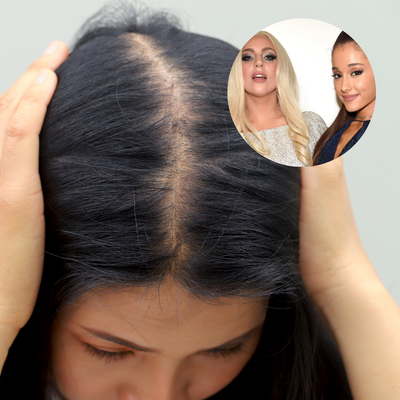
Adopting a shampoo with a pH of 5 is firmly rooted in the principles of dermatology and trichology to promote a healthy hair ecosystem. Maintaining the scalp's skin integrity is essential for hair vitality, thus highlighting the necessity of meticulous selection of hair care products. Choosing a shampoo whose pH is aligned with that of the scalp, approximately 5, is crucial for preserving skin homeostasis and minimizing the risks of irritation, dryness, and microbial flora imbalance.
Julie Pernet, co-founder of DermoPilaire MakeMyMask laboratory, doctor of pharmacy and certified trichologist, highlights the critical importance of this approach. She emphasizes that choosing a shampoo with a physiological pH significantly contributes to hair health and shine by supporting a scalp environment that promotes healthy hair growth.

Focus on the scalp:
The scalp is not merely a support for our hair. It is an extension of our skin, with its own complex physiology. Its pH, generally between 4.5 and 5.5, plays a crucial role in maintaining its balance. This slightly acidic pH promotes scalp health in two ways.
1. PRESERVATION OF THE SKIN BARRIER
By preserving the integrity of the skin barrier, the balanced pH of the scalp helps strengthen its natural defenses. Indeed, a slightly acidic pH creates a hostile environment for many pathogens, such as bacteria and fungi. These microorganisms often struggle to thrive in an acidic environment, which limits their ability to cause skin irritations.
2. REGULATION OF SEBUM PRODUCTION
A balanced scalp pH plays a crucial role in regulating sebum production, the skin's natural oil. By maintaining an optimal pH, the scalp promotes balanced and regulated sebum production.
When the scalp's pH is unbalanced, it disrupts sebum production, leading to excessive or insufficient secretion:
- Excess sebum can lead to oily hair and associated problems such as residue buildup, thus promoting the proliferation of bacteria and fungi responsible for dandruff and irritation.
- Lack of sebum can lead to excessive scalp dryness, causing itching, irritation, and eventually dandruff.
By maintaining a balanced pH, the scalp promotes the preservation of the skin barrier, limiting irritation, and regulates sebum production, thus preventing imbalances such as oily hair or dandruff. By maintaining this balance, we ensure optimal scalp health.
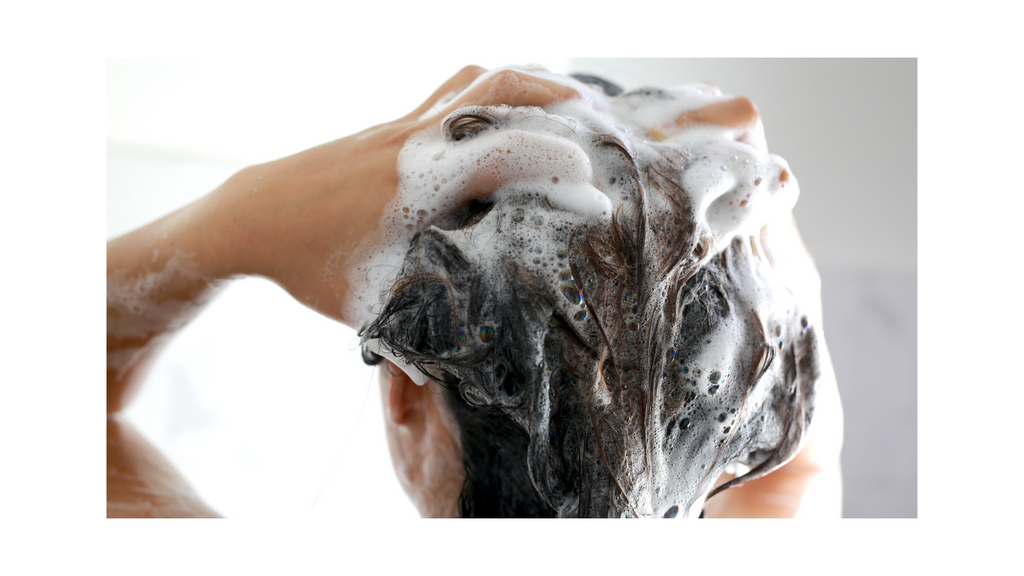
Shampoo choice is paramount:
Given these challenges, your shampoo choice becomes a crucial decision for your scalp's health. If you are prone to oily hair, irritation, or dandruff, opting for a pH5 shampoo can bring significant relief.
Unlike aggressive shampoos that disrupt the scalp's natural balance, pH5 formulas respect its natural pH, thus helping to prevent and treat skin problems such as excess sebum or dandruff.
Furthermore, it is essential to avoid harmful sulfates and silicones commonly found in many commercial hair products. Sulfates are aggressive cleansing agents that strip natural oils from the scalp, leaving it dry and prone to irritation. In addition, silicones form a coating on the scalp, making it heavy and suffocated, which can lead to residue buildup and clog hair follicles, thus contributing to skin problems.
Focus on pH5 shampoos on the market:
To guide you in choosing the perfect pH5 shampoo for your needs, we have compared several products. Here is an overview of their essential characteristics:

In conclusion, although some shampoos are formulated with pH5, their composition contains harmful agents such as sulfates, which pose a threat to your scalp and the planet.
Choosing a pH5 shampoo is the first step to a healthy scalp and healthy hair. The DermoPilaire MakeMyMask Laboratory understands this, and offers the 1st sulfate-free shampoo, rated Excellent on YUKA, with a pH of 5, which offers a gentle and scalp-friendly formula. Its pH, similar to that of the scalp, gently cleanses while preserving its natural balance and restoring its hydration.