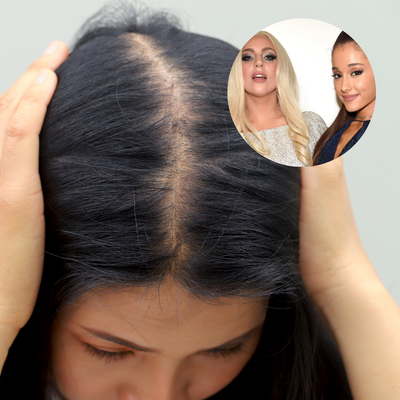
The vicious cycle of greasy hair... A real headache. The more you wash it, the faster it gets greasy again!
For many, this vicious circle is a real daily problem: shiny, dull, and flat hair the day after shampooing. Oily hair is mainly unsightly, even worse when accompanied by dandruff and scalp discomfort.
To get rid of excess sebum, it is important to first understand the cause of the problem, which is different for everyone.
Discover everything you need to know about greasy hair and our natural tips for a healthy scalp.
Sebum is the lifeblood of our hair
Yes, sebum is not our enemy. In fact, it's quite the opposite: it's the lifeblood of our hair. Sebum is an oily substance secreted by the sebaceous glands which are attached to the hair follicles.
It serves to:
- Protect the scalp from external aggressions
- Maintain the hydration of the scalp and the lubrication of the hair
- Maintain the balance of the bacterial flora
The problem?
The scalp has a sensitivity equivalent to a baby's skin. The slightest external aggression can irritate it and cause cascade reactions leading to an overproduction of sebum.
What is a greasy scalp?
Hair roots are considered "greasy" when the natural production of sebum is excessive = hyperseborrhea.
Excessive production is usually linked to an imbalance of the sebaceous glands, which then secrete too much sebum. This sebum covers the scalp and spreads along the hair shafts.

Visually, greasy hair is recognizable by its wet and shiny appearance, with a duller and darker color, and strands that are heavier and less voluminous as the hairs stick to each other.
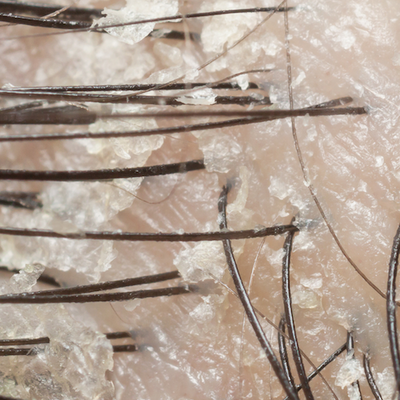
Beyond its unappealing appearance, a greasy scalp can often lead to itching and redness, favoring the appearance of dandruff.
What are the causes of a greasy scalp?
Hair getting greasy quickly is one of the most common hair problems.
Different causes can be at the origin:
1. A hormonal problem, which may be related to taking certain medications (treatments, contraception...).
2. Stress or a significant emotional shock, causing a disruption of the sebaceous glands.
3. An overly fatty and sugary diet increasing the amount of carbohydrates and lipids absorbed by the blood vessels supplying the scalp.
4. Too frequent or too aggressive washes (sulfates, silicones), prompting the scalp to produce more sebum to protect and hydrate itself.
5. Atmospheric conditions such as air conditioning and pollution, drying and suffocating the scalp.
6. Using a hairdryer at too high a temperature can damage your scalp.
7. An unsuitable or dirty brush.
BUT BE CAREFUL, it is also important to know that the "greasy" scalp type can simply be hereditary and that people with fine hair tend to have hair that gets greasy more quickly.
How to fight greasy hair?
Here are our tips for a hair care routine and our natural solutions to treat greasy hair.
1. A balanced diet
If your greasy hair is also accompanied by oily skin prone to acne, one of the solutions is probably in your diet.
Limit fatty and sugary foods, prefer fruits, vegetables, fish, and lean meats.
Many vegetables are rich in vitamin B, also called "hair vitamin" because it contributes to the hair's suppleness and shine, such as: mushrooms, cabbage, black radishes, avocados, spinach, tomatoes, and asparagus.
Also favor dried fruits: walnuts, almonds, hazelnuts... (unsalted!) rich in omega-3, essential for good lipid metabolism.
2. Space out shampoos and use gentle treatments
The scalp is the soil of our hair: respecting your scalp to keep it healthy is the key to any hair problem.
So, to fight against a greasy scalp, you must first let it breathe and not attack it with chemical substances.
Spacing out your shampoos is a real challenge when hair gets greasy quickly... But you have to stick to it! The use of dry shampoo can be very useful, without overdoing it so as not to suffocate the scalp (Our article to help you space out your shampoos >)
But what you must do daily: adopt a healthy hair routine with products that respect the scalp.
So throw away your conventional supermarket shampoos!
[images]

[/images]
And adopt a silicone- and sulfate-free shampoo at pH5, ingredients that are too aggressive and harsh for hair.
3. Perform masks with regulating plants
Treating greasy hair from the roots is the most effective solution.
And what better way than to benefit from the natural goodness of plants by returning to grandmother's recipes?
Many plants absorb sebum: corn starch, arrowroot, nettle, and even clay...
But to definitively treat a greasy scalp, it is important to find a 2-in-1 recipe that will regulate sebum production while keeping the scalp hydrated! Because simply masking the excess oil will only make the problem come back quickly...
• Stinging Nettle:
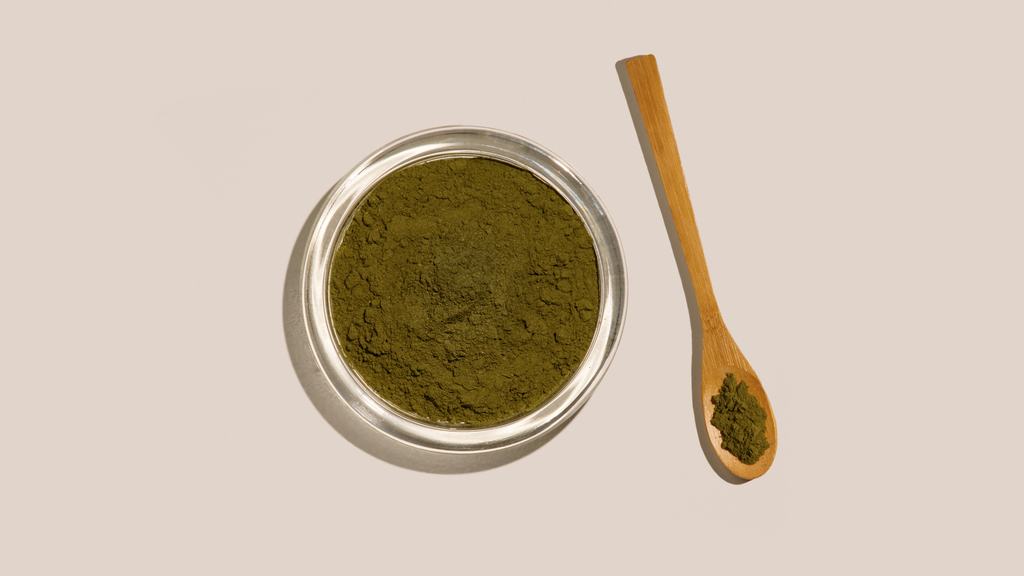
Among seboregulating plants, Stinging Nettle is at the top of the podium. In powder form and mixed with a little water, you get a very effective scalp mask to detoxify the roots.
Thanks to its content of mineral salts, trace elements, and vitamins, Stinging Nettle powder has many virtues for hair:
- It regulates sebum production
- It purifies the scalp and treats dandruff conditions
- It soothes irritations and itching
- It strengthens and fortifies hair from the root
- It stimulates growth and reduces hair loss
• Aloe Vera
A miracle ingredient and essential in hair care, Aloe Vera powder is also ideal.
It hydrates the scalp without making it greasy thanks to its exceptional moisturizing, soothing, protective, and regenerating properties.
• Vegetable and essential oils
Misconception n°1: Vegetable oils are not compatible with greasy hair.
This is false, some have the power to rebalance sebum production like Jojoba or Nigella oil.
These dry oils have the particularity of deeply nourishing without leaving a greasy film. Ideal for regulating and balancing scalps that get greasy quickly.
In synergy with essential oils, you get a perfect mask to purify the scalp.
Our selection of regulating essential oils: a few drops of Sage, Thyme or Cedar and you're done!
Misconception n°2: Wait until your hair is very greasy to treat it...
The best way to fight against a scalp that gets greasy quickly is to adopt a healthy hair care routine, supplemented by detoxifying scalp masks every week. Keyword: REGULARITY!
Our Detox protocol to regulate greasy scalp allows you to prepare 1 treatment per week for 1 month.
It consists of pre-dosed sachets for a fresh mask, ready in 30 seconds, to be applied directly to the roots.
This treatment contains 4 ingredients:
- Stinging Nettle powder, detoxifying
- Aloe Vera powder, moisturizing
- Jojoba oil, regulating
- Clary Sage essential oil, purifying
Find it here!
The greasy hair detox protocol contains our essentials to help you space out your shampoos and eliminate greasy hair:
- The Detox pre-shampoo mask to detoxify and treat the problem at the root
- The Gentle pH5 shampoo to wash gently and not irritate the scalp
- The dry shampoo to conceal greasy roots and help reduce shampoo frequency.