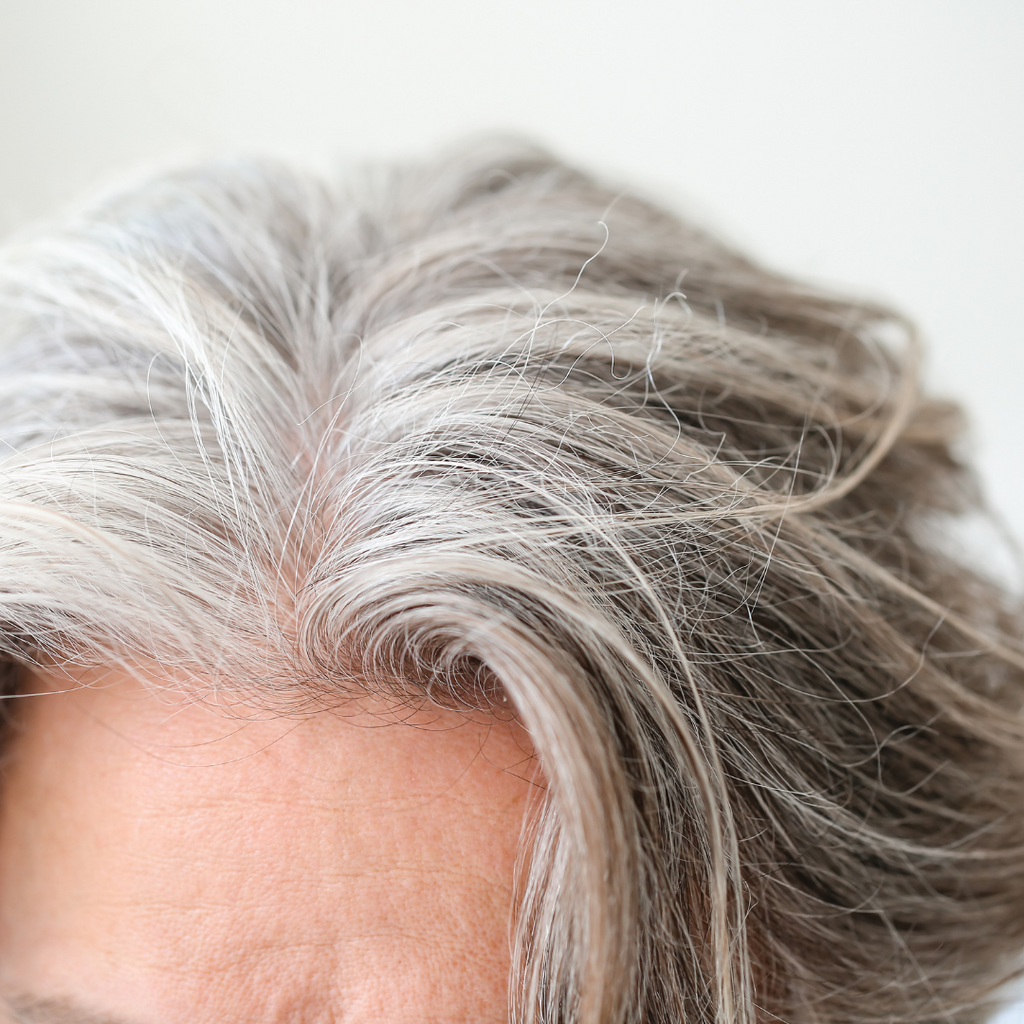
White hair, or canities, is a visible manifestation of the aging process.
However, premature canities is becoming increasingly common and can largely be attributed to oxidative stress. This phenomenon is linked to an imbalance between the production of free radicals and the body's ability to neutralize these reactive molecules. In this article, we will delve into the causes and consequences of oxidative stress on hair pigmentation, as well as antioxidant-based solutions, both through diet and external application, in light of current scientific evidence.
Oxidative Stress and its Underlying Mechanisms
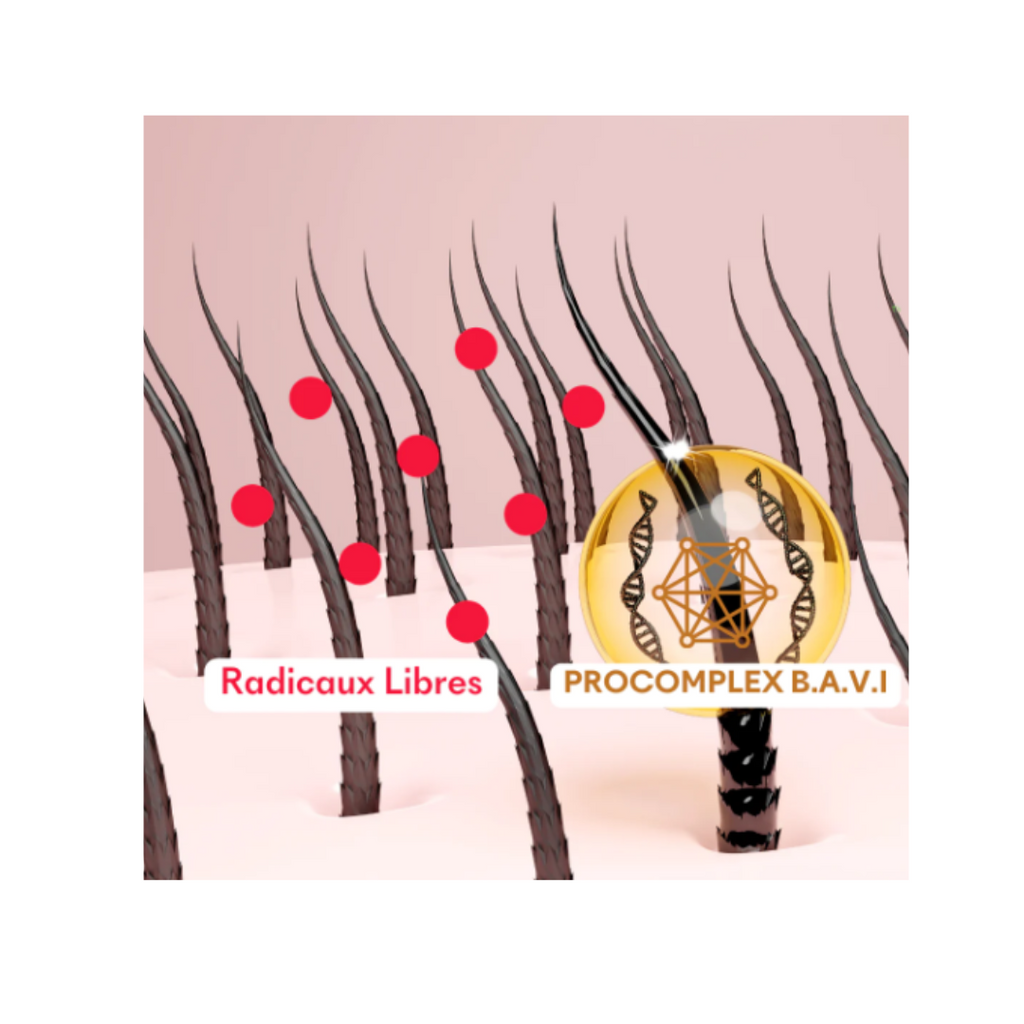
Oxidative stress occurs when free radicals, unstable molecules containing one or more unpaired electrons, damage cells and tissues. The main sources of free radicals in the body include cellular respiration, inflammation, and exposure to environmental factors such as UV rays and pollution. Free radicals can disrupt the structure of proteins, DNA, and other cellular components, leading to cellular and tissue damage.
Causes of Oxidative Stress and White Hair
-
Age: The aging process is associated with decreased activity of antioxidant enzymes and increased production of free radicals. This directly affects hair follicles.
-
UV Exposure: UV rays induce the production of free radicals in the skin and scalp, damaging pigment cells responsible for hair color.
-
Environmental Pollutants: Environmental toxins can alter the protein structure of hair and interfere with melanin, the pigment responsible for hair color.
The Emotional Factor and the Link to Hair Graying
In addition to biological and environmental factors, the hair graying process is also closely linked to emotional factors. The connection between emotional stress and hair graying is a fascinating area of study that highlights the impact of emotions on hair health. Several mechanisms explain this complex relationship.
- Stress and Stress Response
When faced with stressful situations, our body responds by releasing stress hormones, particularly cortisol. These stress hormones can negatively affect melanogenesis, the process by which cells responsible for hair pigmentation produce melanin. High levels of cortisol can disrupt the regulation of melanogenesis, leading to a loss of pigmentation and premature hair graying.
- Inflammation and Emotional Stress
Chronic emotional stress can also promote systemic inflammation in the body. Inflammation is closely linked to the production of free radicals, which are themselves associated with oxidative stress. Increased inflammation can contribute to oxidative stress in hair follicles, which can damage pigment cells and lead to hair graying.
- Effect of Stress on Melanin Reduction
Prolonged emotional stress can lead to a decrease in melanin production, which inevitably leads to a loss of hair color. Several studies have shown that stressful life events or continuous exposure to stress can accelerate hair graying.
Antioxidant-Based Solutions
1. Balanced Diet and Antioxidant Supplements.
- Vitamin E: Vitamin E is a fat-soluble antioxidant that protects cell membranes from damage caused by free radicals.
- Vitamin C: Vitamin C neutralizes free radicals, promotes collagen synthesis, and can help maintain hair health.
-
Polyphenols: Polyphenols found in certain foods, such as green tea and red wine, possess antioxidant properties.
2. External Application of Antioxidant Ingredients
The Anti-Aging Mask: a true concentrate of antioxidants
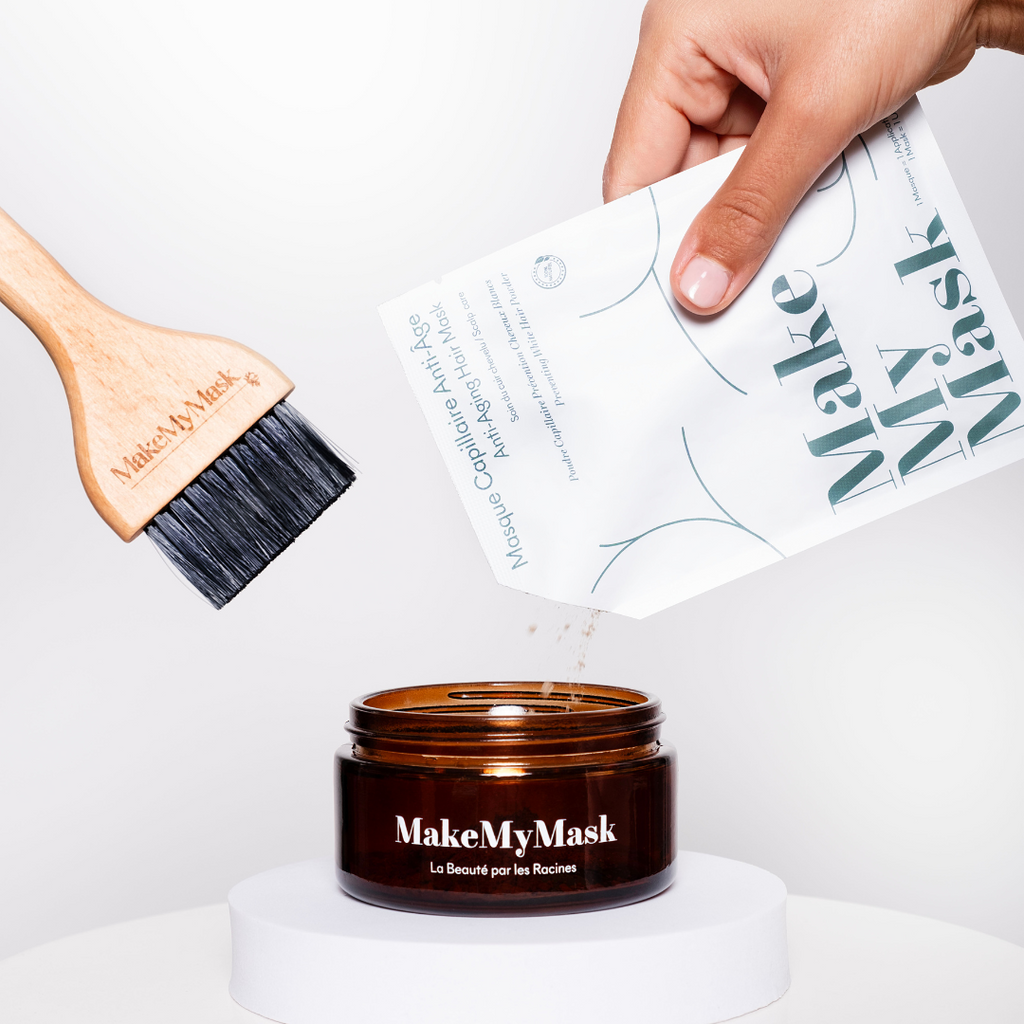
The BAVI pro-complex:
- Amla Powder: Amla is rich in vitamin C, an antioxidant that can reduce oxidative stress on the scalp and promote hair pigmentation.
- Bhringaraj Powder: Bhringaraj extracts have demonstrated antioxidant properties and an ability to stimulate melanogenesis.
- Vitamin E Oil: Topical application of vitamin E oil can help protect hair from damage caused by free radicals.
Conclusion
Premature canities is often linked to oxidative stress, which results from the accumulation of free radicals. Furthermore, by reducing emotional stress and adopting stress management strategies, it is possible to mitigate the impact of the emotional factor on premature canities.
Antioxidants play a crucial role in preventing canities by neutralizing these free radicals. Incorporating antioxidants into the diet, as well as their external application, can contribute to preserving hair pigmentation. Current scientific evidence suggests that this approach can be beneficial for effectively preventing white hair while maintaining hair health.
Sources:
Age-induced hair greying – the multiple effects of oxidative stress