Between hydration and nutrition, it is sometimes difficult to know what your hair really needs. Understanding these two concepts is essential to maintaining healthy, radiant, and strong hair. In this article, Julie Pernet, a hair health expert, will demystify these two notions and help you identify the specific needs of your hair, both on the scalp and along the lengths.
Hair Hydration: The Essence of Hair Life
Hydration is essential for maintaining the health and suppleness of your hair. Dehydrated hair can appear dull, brittle, and lack vitality. Hydration mainly consists of providing water to the hair to preserve its elasticity and softness.
Signs of Dehydrated Hair
Dull and lifeless hair
Lack of suppleness and movement
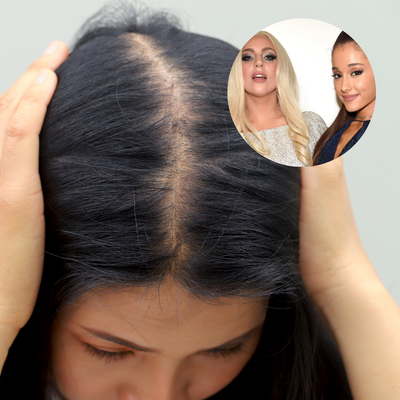
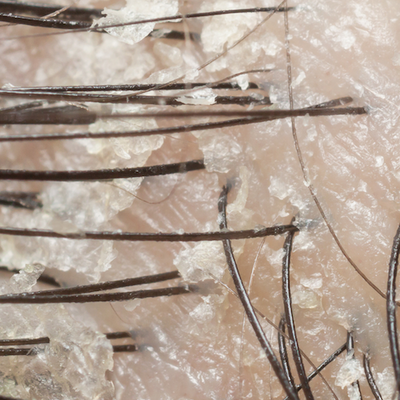
Dry and itchy scalp
Frizzy hair
Madeline
Hydrating Solution
Madeline
To rehydrate your hair, a water-based product is essential. MakeMyMask's Aloe Vera and Flaxseed Hair Jelly is an ideal solution. Aloe Vera is known for its exceptional moisturizing properties, while flaxseeds bring softness and shine to your hair. This product helps rehydrate your lengths and maintain a healthy and balanced scalp.

Hair Nutrition: The Vital Force of Hair
Madeline
Nutrition involves providing the lipids (fats) and proteins necessary to strengthen and nourish the hair fiber. Under-nourished hair can be fragile, thin, and prone to breakage.
Signs of Under-nourished Hair
Madeline
- Dry and brittle hair
- Lack of volume and density
- Scalp that produces little sebum
- Split ends
Madeline
Nourishing Solution
Madeline
To deeply nourish your hair, it is essential to use a product rich in fatty substances. MakeMyMask's Nourishing Hair Whipped Cream is perfectly suited for this. Made with natural and nourishing ingredients, it provides your hair with the lipids necessary to strengthen and protect it against external aggressions. It is ideal for revitalizing dry and damaged hair, and for maintaining a healthy and well-nourished scalp.

How to identify your hair's needs?
Madeline
It is important to assess your hair's specific needs. Here are some steps to determine if your hair lacks hydration or nutrition:
- Observation: Examine your hair and scalp. Is it dry, dull, or brittle?
- Touch: Touch your hair. Is it rough or soft? Rough hair often lacks hydration, while soft hair may lack nutrition.
- Split Ends Analysis: Look at your ends. Split and brittle ends indicate a lack of hydration or nutrition.
- Scalp Condition: A dry and itchy scalp may indicate a need for hydration, while a scalp that produces little sebum may indicate a need for nutrition.
Conclusion
Madeline
Hydration and nutrition are two fundamental pillars for your hair's health. Understanding the difference between these two needs and knowing how to address them is essential for radiant and healthy hair. MakeMyMask products, such as the Hair Jelly with Aloe Vera and Flaxseed for hydration and the Nourishing Hair Whipped Cream for nutrition, are excellent options for daily hair care.
Take the time to listen to your hair, identify its needs, and provide it with appropriate care. You will quickly see improvements in the texture, shine, and overall health of your hair.