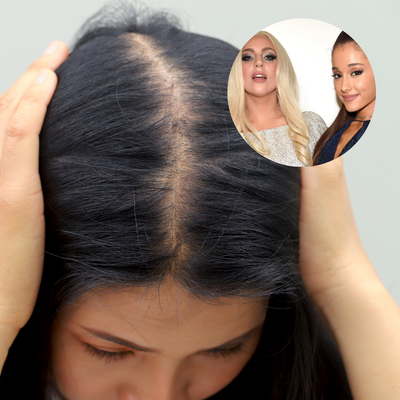
Scalp psoriasis is a common form of psoriasis that can be debilitating due to its visual impact, itching, and discomfort. And even public figures are not immune: Beyoncé has openly spoken about her struggle with psoriasis, especially on the scalp, explaining that she has sometimes had a very dry scalp and plaques since childhood, mentioning the care she received from a young age to manage this very uncomfortable skin condition.
What is scalp psoriasis?
Psoriasis is a chronic inflammatory skin disease characterized by excessive proliferation of epidermal cells and a dysregulated immune response. This hyperactivity leads to the appearance of red, thick plaques covered with silvery scales.
When this condition affects the scalp, known as scalp psoriasis, it can manifest as:
-
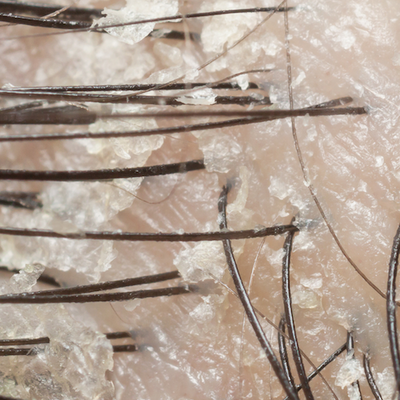
Scaly and thick plaques, sometimes covered with white or silvery scales;
-
Itching, burning sensations or discomfort of varying intensity;
-
Visible flaking, often mistaken for severe dandruff;
-
Areas of irritation that can extend towards the hairline, around the ears, or to the nape of the neck.

As the scalp is a highly vascularized area rich in hair follicles, the pain, itching, and aesthetic impact associated with psoriasis in this area can profoundly affect quality of life.
Pathophysiological mechanisms
Immunologically, psoriasis involves a chronic immune response, with mediators such as interleukin-17 (IL-17) playing a central role in skin inflammation and aberrant keratinocyte proliferation.
Furthermore, recent studies suggest that an imbalance of the skin and/or gut microbiome could contribute to the onset or exacerbation of symptoms by promoting local and systemic inflammation.
Why our 4-step protocol is effective against scalp psoriasis
While there is no "cure" for psoriasis, an integrative approach targeting both local symptoms, inflammation, microbiological balance, and internal factors can significantly improve the condition of the scalp. Here's how our protocol works:
1. Anti-Psoriasis Concentrate: to gently exfoliate plaques
One of the main obstacles in scalp psoriasis is the accumulation of thick, sticky plaques. Gentle exfoliation helps to:
-
Exfoliate and remove scales, facilitating the penetration of subsequent treatments;
-
Reduce the risk of irritation and local inflammation due to the accumulation of dead cells.

Adapted exfoliation is often recommended in dermatological literature as the first step to improve treatment access to affected areas.
2. Universal pH5 Shampoo: cleanses gently
Scalp affected by psoriasis is often fragile: harsh shampoos can damage the skin barrier and exacerbate inflammation. A shampoo formulated with a pH close to 5 allows for:
-
Respect for the skin microbiome and hydrolipidic barrier;
-
Effective cleansing without further drying out the scalp.

Research suggests that maintaining a physiological pH helps preserve microbial balance and barrier function, which is essential in inflammatory dermatoses.
3. Rebalancing & Soothing Serum: hydration + probiotics
Hydration is a pillar of comfort in scalp dermatoses. This serum:
-
Soothes itching with targeted moisturizing agents;
-
Contains prebiotic probiotics to encourage a healthier skin microbiome — a factor increasingly studied in the management of chronic inflammatory diseases.

The idea is to improve the skin ecosystem to reduce local immune activation.
4. SOS Dry Patches Supplement: acting from within
Psoriasis is a systemic disease, and inflammatory markers can be elevated throughout the body. The use of a nutritional supplement designed to:
-
Reduce overall inflammation,
-
Support the immune system,
-
Rebalance the microbiome,
helps to mitigate the intensity and frequency of flare-ups, in addition to topical treatments. Our SOS Dry Patches Supplement acts as a 7-day flash treatment to reduce psoriasis symptoms such as dry patches and itching.

Studies on the link between the microbiome, systemic inflammation, and psoriasis show that interventions on the gut microbiota (via probiotics, prebiotics, or nutraceuticals) can modulate the immune response and potentially reduce skin symptoms.
In summary
-
Scalp psoriasis is a chronic inflammatory condition that causes scaly plaques, itching, and significant discomfort. Public figures like Beyoncé suffer from it and talk about it to normalize this condition and its solutions.
-
An integrated approach combining gentle exfoliation, pH-respecting care, microbiome rebalancing, and internal inflammation support can significantly improve symptoms.
-
The science of the microbiome and skin immunology now reinforces the interest in treatments that act both locally and systemically.