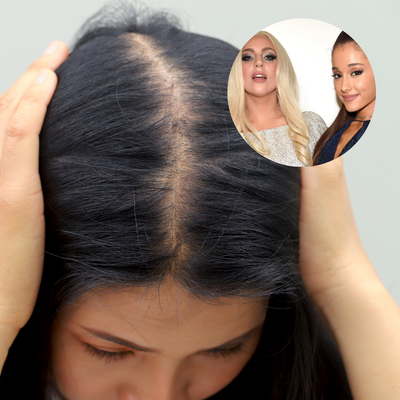
Hair oil baths are a popular trend, but their impact on hair health is a subject of debate. While this method is praised for its benefits on hair length, it is crucial to examine its potentially harmful effects, particularly on the scalp.
Our expert, Julie Pernet, explains the risks associated with oil baths and offers an effective alternative for safely caring for your hair!

Why oil baths are not always the ideal solution?
Bad for the Scalp
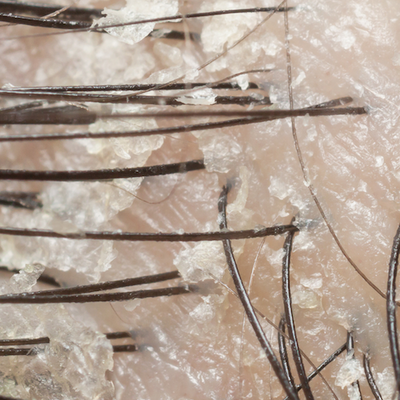
Oil baths applied directly to the scalp can cause dermatological problems. Excessive oil application can clog pores, leading to a buildup of sebum and residue. This accumulation can cause dermatitis, an inflammation of the skin characterized by itching, redness, and flaking.
Risk of Fungal Development
The scalp is a sensitive environment that can easily disrupt its natural microbiome. Oils, by creating an overly greasy environment, can promote the proliferation of fungi like Malassezia. This fungus is naturally present on the scalp, but in excess, it can cause problems like dandruff and seborrheic dermatitis.
Okay for Lengths, but in Moderation
Applying oils to hair lengths can offer benefits such as hydration and protection against external aggressors. However, not all oils are suitable for all hair types. For example, heavy oils like castor oil can weigh down fine hair, while lighter oils like argan or jojoba oil are better suited for these hair types.
Plant powders: a natural and effective alternative
Plant powders are an excellent alternative to oil baths. Rich in nutrients, they directly nourish the scalp, the living base of the hair, for stronger and shinier hair from the root. Each plant powder has specific properties to treat various hair problems: they help reduce breakage, prevent split ends, and stimulate hair growth. By settling on the scalp, the powders release their benefits, penetrating the follicles to strengthen the hair structure from within. They are suitable for all hair types and can be integrated into a hair routine for lasting results.
Our recommendations:
At MakeMyMask, we believe in the power of plants to offer natural and effective care. That's why we've developed an innovative solution through our range of hair masks based on plant powders to address specific scalp and hair issues. These are the only 100% natural scalp treatments with dermatologically tested efficacy. Unlike many other brands, our products are rigorously tested under dermatological and trichological control. Our tests allow us to confirm visible and reliable results, offering a truly effective solution that respects the balance of the microbiome, the health of your scalp, and the growth of your hair. Look no further, discover the mask that's right for you now!

So, say goodbye to heavy, hard-to-rinse oil baths and welcome the benefits of plant powders into your hair care routine. Your hair will thank you!
Julie Pernet, Doctor of Pharmacy and certified trichologist